Used for posts within the Office of Research
New research from the University of Colorado Colorado Springs (UCCS) shows that pandemic shutdowns had negative effects on every indicator of college students’ emotional and physical health. (More)
The UCCS BioFrontiers Center bridges the fields of biology and physics — and in doing so, aims to create new ways of seeing and manipulating nature. Its goal? To revolutionize human health. (More)
The Center for the Study of Government and the Individual at UCCS was founded to explore the constitutional, economic, political, and social foundations of American society. Its focus lately has been on tolerance and civil discourse. (More)
The Heller Center for the Arts and Humanities at UCCS has a dual mission: offering scholars and artists a respite to think and create, and providing space for interaction between art and academia. (More)
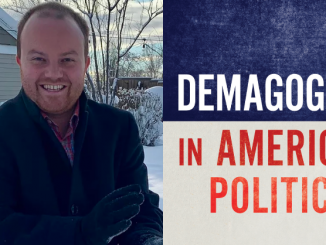
History sees demagogues as dangerous. But Charles Zug sees them differently. In his new book, “Demagogues in American Politics,” he argues that demagoguery can be a powerful tool for the common good — if it’s used virtuously. (More)
Tenure clock-stops during COVID-19 were meant to be a “gift” of time and space for pre-tenure faculty. But not all faculty were able to leverage the time as effectively. A new research study by senior leaders within the CU System documents which faculty opted in and out of tenure-clock extensions — and some long-term ramifications of their decisions. (More)
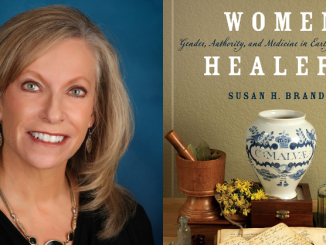
In her new book, Susan Brandt, Lecturer in the Department of History at UCCS, unearthed a flourishing tradition of women up and down the medical hierarchy. But early American history has ignored their stories — until now. (More)
Children today spend less time outdoors than any other generation. Ji Hyun Oh, Assistant Professor of Teaching and Learning at UCCS, has been awarded grant funding from the Froebel Trust to help bring outdoor play back into kindergarten classrooms. (More)
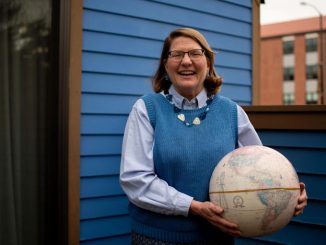
What factors led to Lauren Boebert’s meteoric rise in 2020? Rebecca Theobald, Assistant Professor of Geography and Environmental Studies at UCCS, has one answer: the division between rural and urban voters in Colorado. (More)
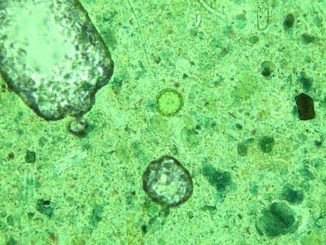
New research from Tara Cepon-Robins, Associate Professor of Anthropology at UCCS, shows another way that poverty “lives” in the body: intestinal parasites. The rural Mississippi children she studied showed intestinal inflammation rates 17 times higher than Indigenous children in Amazonian Ecuador. (More)